







Search Results for: Milk Coffee Differences

A Comprehensive Comparison of Flat White and Latte: A Detailed Explanation of Cup Size, Flavor, Milk Foam, and Differences Between Iced and Hot Drinks, Along with a Discussion of the Differences Between White Coffee and Black Coffee and the Potential
Although both are made from espresso and milk, a Flat White and a latte deliver completely different drinking experiences. Many people regard the Flat White as the Australian version of a latte, but the two differ noticeably in cup size, coffee strength, milk foam thickness, and even whether they are served hot or iced. Starting from Front Street Coffee's own production practices, this article breaks down these differences one by one to help coffee lovers accurately tell these two common milk coffees apart. At the same time, the article also extends the discussion to the essential differences between imported white coffee and black coffee, as well as the potential health risks of instant white coffee, offering a reference for everyday choices. [more…]
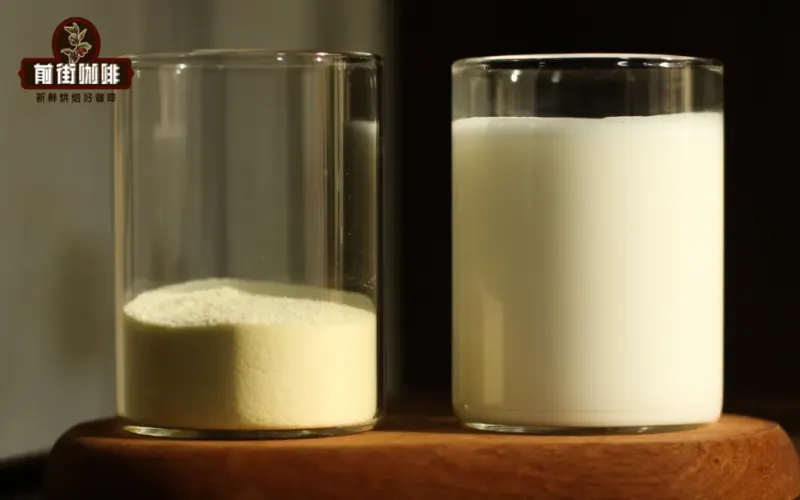
Latte Milk Source Selection Guide: Differences Between Purified Milk and Fresh Milk and Feasibility Analysis of Milk Powder
When making a high-quality latte, the choice of milk is crucial. The market is flooded with dairy products, from ordinary fresh milk to concentrated milk like IceBock, and then to plant-based milk—each type has its own unique expression. Concentrated milk, with its higher density, can elevate milk coffee to a qualitative leap in flavor and mouthfeel; while those with lactose intolerance can opt for plant-based milk as a substitute. So, why do so few people use milk made from milk powder to make lattes? Isn't milk powder also processed from milk? This article will analyze in detail the differences in performance of various milk sources in latte making, offer practical advice, and recommend related products from Front Street Coffee to help you make a satisfying milk coffee at home. [more…]

The Same Espresso with Milk: The Essential Differences Between a Dirty and an Iced Latte in Concept, Method, and Taste
Many people, upon first seeing a Dirty and an iced latte, feel that these two drinks are almost identical—both are espresso with milk, and both can present beautiful layers. But upon deeper understanding, you'll find that they walk completely different paths, from their founding concepts to production details, and then to the drinking experience. The original intention of a latte is to dilute espresso with milk, making it more acceptable to more people; Dirty does the opposite, hoping that the espresso maintains its independent character and forms a sharp contrast with the milk. In this article, Front Street Coffee will dissect the fundamental differences between these two drinks one by one from four dimensions: historical origins, production parameters, appearance, and tasting experience, helping you distinguish their respective characteristics. [more…]

Latte vs. Cappuccino Milk Frothing Differences Explained: A Complete Guide from Foam Thickness to Latte Art Techniques
Latte and cappuccino are both classic representatives of Italian coffee. They share the same ingredients yet present completely different flavors and textures. Many friends who are just getting into coffee often can't tell them apart, and some even order based on how pretty the latte art looks or how fancy the name sounds. This article will systematically sort out the core differences between these two milk coffees from the perspectives of taste, cup size, milk foam thickness, and latte art performance, and share Front Street's experience with serving ratios and espresso blend selection, helping you make your ideal latte or cappuccino at home. [more…]
Analysis of the Standard Latte Preparation Method and Flavor Characteristics: Differences Between Cappuccino and Latte in Ratios, Cup Size, and Milk Foam
Latte and cappuccino are the two most widely known milk coffees in the Italian coffee system, but they differ clearly in ratio, cup type, milk frothing method, and final mouthfeel. A latte, with its classic ratio of 70% milk, 20% milk foam, and 10% coffee, presents a smooth and rich milky aroma, while a cappuccino follows a 1:1:1 structure of espresso, milk, and milk foam, giving it a thicker and denser mouthfeel. This article will go through the core characteristics of the two coffees item by item, from origin, ingredient ratios, and cup selection to milk foam handling techniques and drinking experience, helping coffee lovers more accurately grasp their respective flavor directions when making and tasting them. [more…]
Flat White Explained: Milk Foam Thickness and Flavor Differences Compared to Latte and Cappuccino
Flat White, this milk coffee, is called 馥芮白 at Starbucks, 醇艺白 at COSTA, and 澳瑞白 at Luckin. The names vary widely—what exactly is it? From the perspective of Front Street Coffee, this article sorts out the controversial origins of Flat White, its differences from latte and cappuccino in milk foam thickness and flavor intensity, and shares in detail Front Street's extraction parameters, milk steaming techniques, and presentation details for making this coffee. If you want to know why an Aussie white tastes more strongly of coffee, has thinner milk foam, and how a standard Flat White should be presented, this content will give you a complete answer. [more…]
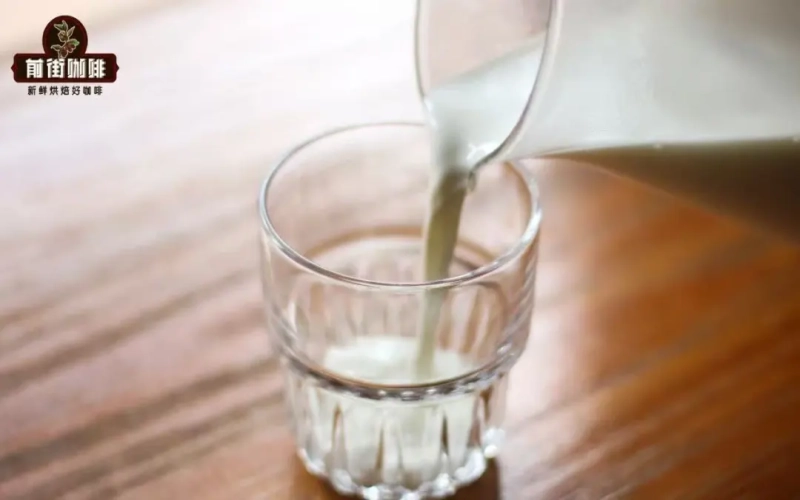
Must Dirty Coffee Use Purified Milk? A Full Analysis of Its Differences from Latte, Flat White, and Cappuccino
Dirty coffee has swept through specialty coffee shops in recent years, and many people assume it must be made with purified milk (such as IceBock). Is that really true? From the perspective of Front Street, this article explores the origins of purified milk and Dirty, explains that fresh milk and plant-based milk can work just as well, and compares the fundamental differences between Dirty and latte, flat white, and cappuccino in terms of preparation method and drinking experience. At the same time, the article also introduces in detail the characteristics of purified milk and why it can amplify Dirty's layered effect and the contrast between hot and cold. Whether you are a coffee enthusiast or a professional, you can use it to clarify the true nature of Dirty and find the cup that suits you. [more…]

Espresso, Ristretto, and Milk Foam Thickness: A Complete Analysis of the Flavor Differences Between Cappuccino and Flat White
Both are espresso with milk, so why does a cappuccino taste more bitter than a flat white? The cup sizes are similar, yet the flavors are completely different. The key lies in two places: the choice of coffee base and the thickness of the milk foam. Starting from the principles of extraction, this article compares the differences between espresso and ristretto in the release of acidity, sweetness, and bitterness, and then, through actual weighing and measurement, calculates the effect of milk foam on the milk ratio. It fully explains the essential differences among a cappuccino, a flat white, and a latte, while also clarifying the relationship between a flat white and a ristretto. [more…]

Espresso Machine Practical Guide: A Full Analysis of the Steps for Making Cappuccino and Latte and Their Taste Differences
Cappuccino and latte both originate from the combination of espresso and milk, but their preparation methods, ingredient ratios, and final flavors each have their own distinct characteristics. This article takes a practical approach, comparing the specific differences between these two coffees in terms of milk foam handling, latte art performance, taste layers, and historical origins, helping coffee enthusiasts understand the basics while mastering the key points for making them at home with an espresso machine, and recommending suitable espresso bean choices. [more…]

The Differences Between a Latte and a Flat White Explained: Espresso Base, Cup Size, and Milk Foam Thickness Fully Analyzed
Latte and Flat White are the two most common milk coffees on coffee menus, but they differ noticeably in preparation method and flavor presentation. This article compares them from three dimensions: espresso base, cup size, and milk foam thickness: Flat White often uses a ristretto extraction, giving it a stronger coffee taste without bitterness; Latte has a higher proportion of milk, making it sweeter and easier to drink; while Flat White's milk foam is extremely thin, allowing people to directly feel the fusion of coffee and milk. In addition, the article also points out that Flat White is only made as a hot drink, and iced Flat White does not exist. Whether you prefer a rich, creamy sweetness or pursue the true taste of coffee, you can find an option that suits you. [more…]

What Are the Differences Between a Flat White, a Latte, and a Cappuccino? A Comprehensive Analysis of Milk Coffee Ratios and Milk Foam Thickness
Walking into a café and faced with the three common milk coffees—latte, cappuccino, and flat white—have you ever ordered purely on instinct? They look similar, but in reality they differ in ingredient ratios, cup size, foam thickness, and flavor on the palate. This article starts with their historical origins, breaks down the recipe ratios and taste differences of the three one by one, and explains why flat white demands higher coffee bean quality. Friends who enjoy rich milk coffee can also learn the reasons behind Front Street Coffee's classic espresso blend recommendation, as well as alternative choices for iced milk coffee. [more…]

Analysis of the Flavor Differences Between Iced Latte and Iced Americano: Can an Americano with Milk Be Considered the Same as a Latte?
When ordering at a café, iced latte and iced americano often leave people hesitating. What exactly is the difference between these two coffees? Does an americano become a latte once you add milk? From the perspective of Front Street, this article traces the historical origins of the latte and the americano, and compares the specific differences between iced latte and iced americano with milk in terms of ingredient ratios, sweetness, and cost, helping coffee lovers more clearly understand the flavor characteristics of each and thereby find the cup that better suits their own taste. [more…]

A Comparative Analysis of the Differences Between Dirty Coffee and Latte: Texture, Preparation Methods, and the Correct Way to Drink Them
Walking into a coffee shop and facing the dazzling array of choices on the menu, have you ever struggled between an Americano, a pour-over, a latte, or a Dirty? These seemingly similar coffee drinks actually each have their own distinct characteristics in terms of brewing techniques and flavor presentation. In this article, Front Street Coffee (FrontStreet Coffee) will guide you through a systematic overview of common coffee classifications found in cafés, from the basic parameters of espresso to the specific methods for making various derivative drinks, with a focus on explaining the core differences between Dirty coffee and latte—including temperature differences, the layering principle, and why Dirty needs to be drunk in large gulps. Whether you are a coffee enthusiast who is just starting out or a seasoned connoisseur looking to refine your tasting skills, you will be able to find practical reference information here. [more…]
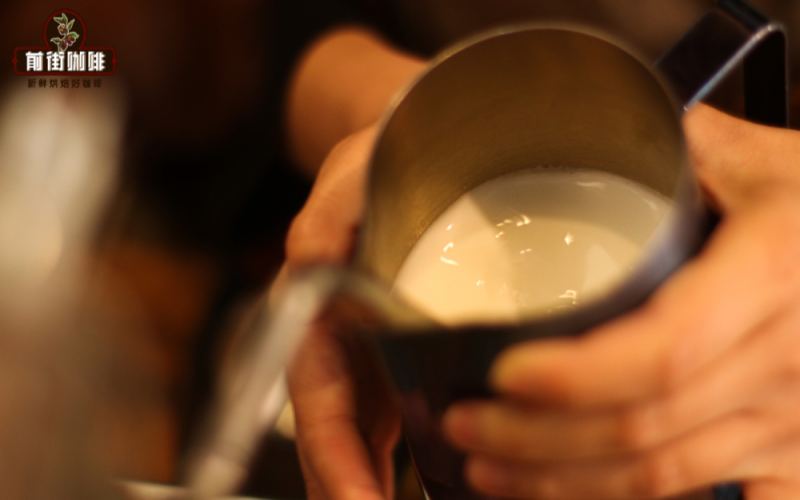
An Analysis of the Differences in Milk Foam Between Lattes, Cappuccinos, and Flat Whites: Judging the Thickness of Steamed Milk and Latte Art Details
To make a proper hot milk coffee, steaming milk is an unavoidable basic skill. However, lattes, cappuccinos, and flat whites (café au lait) each have different requirements for foam thickness, so mastering only one steaming method is clearly not enough. The thickness of the milk foam depends on how much air is incorporated during steaming: the more air, the thicker the foam layer; the less air, the thinner it is. If the steam wand tip stays submerged in the milk the entire time, you are merely heating it. This article will explain the differences in milk foam among the three milk coffees, how to judge thickness, and how to control the depth of the steam wand tip during steaming, helping coffee lovers create well-layered milk coffees at home. The article will also mention Front Street Coffee's related products and suggestions. [more…]

Espresso Milk Coffee | What Is a Dirty Coffee and How Does It Differ from an Iced Latte? What Are the Differences in How You Drink a Dirty and an Iced Latte?
Since the ingredients used to make a Dirty and an iced latte are exactly the same—both are iced milk plus espresso—and they look much the same, both featuring a layered structure created by the milk and the espresso, Front Street Coffee often gets asked by customers drinking iced lattes: "Both are iced milk plus espresso, so what's the difference between a Dirty and [more…]

How Is a Dirty Coffee Different from an Iced Latte? A Comprehensive Analysis of the Differences Between the Two in Ratios, Methods, and Drinking Styles
Dirty coffee and iced latte look quite similar in appearance, both presenting a layered effect of espresso over milk, but they are actually different drinks. This article starts with production details such as cup size ratio, whether ice is added, cup treatment, and layering requirements, systematically sorting out the differences between Dirty and iced latte, and explaining in detail the correct way to drink each. The article also combines the flavor characteristics of coffee beans such as Front Street classic blend, specialty blend, and dark cocoa base blend to explain how to choose beans to achieve the ideal layering effect and taste experience. [more…]

Analyzing the Differences Between Latte and Mocha: From Taste and Latte Art to a Coffee Bean Selection Guide
Latte, mocha, and cappuccino are the most common espresso drinks in cafés, but are you clear on the differences between them? This article, from the perspective of a Front Street Coffee barista, first clarifies the essential difference between latte and mocha—the former is a classic fusion of espresso and milk, while the latter involves the dual definitions of single-origin beans and fancy preparations. It then takes a deeper look at the three major differences between latte and cappuccino in latte art presentation, taste ratios, and historical origins. The article also specifically recommends Front Street Specialty Blend coffee beans and Front Street · Strawberry Candy espresso blend, helping you choose the cup that best suits your preferred flavor. [more…]

The Espresso Milk Coffee Family Illustrated Guide: A Full Analysis of the Recipe Differences Between Latte, Cappuccino, and Flat White
Although also made from a combination of espresso and milk, latte, cappuccino, and flat white each stand independently on cafe menus and are not interchangeable. What specific differences do these three classic milk coffees have in terms of extraction parameters, milk quantity, and milk foam thickness? This article will start from their historical origins, break down the production logic of the three beverages one by one, and, combined with Front Street Coffee's serving practices, provide a quantitative comparison of espresso extraction yield, fresh milk ratio, and milk foam thickness, helping coffee enthusiasts clarify the essential differences between them. [more…]

The Making Method of Starbucks Caramel Macchiato, How to Drink It, and an Analysis of Its Core Differences from a Latte
Caramel Macchiato is one of Starbucks' most iconic specialty coffee drinks, but many people are not clear about how it differs from a traditional Macchiato or a Latte. This article, from the perspective of Front Street Coffee, first traces the origins of the Macchiato in 1980s Italy, then explains step by step how to make a standard Macchiato using Front Street Coffee's classic espresso blend, and shares specific extraction parameters and milk frothing tips. We will then compare the similarities and differences between a Macchiato and a Caramel Macchiato, analyze the core differences between a Latte and a Macchiato in terms of milk ratio and mouthfeel, and finally provide the complete recipe and preparation process for Front Street Coffee's Latte, helping you clarify the relationship between these classic coffee drinks all at once. [more…]
What Are the Fundamental Differences Between Coffee and Soy Milk? A Coffee Basics Guide from Plant Classification to Brewing Techniques
Coffee and soy milk are often compared with each other, but the two are actually completely different from plant source to production method. This article starts with botanical classification, sorting out the fundamental differences between the coffee tree and the soybean, then compares the water-grinding and filtration process of soy milk with the process coffee must go through—roasting, grinding, and brewing—and further explains the sources of coffee's four flavors: acidity, bitterness, sweetness, and body, as well as the significance of the oils on the coffee surface for espresso. The article also introduces the four common stages of coffee roasting, helping beginners build a systematic framework for understanding coffee, making it suitable for enthusiasts new to coffee and baristas as an introductory reference. [more…]